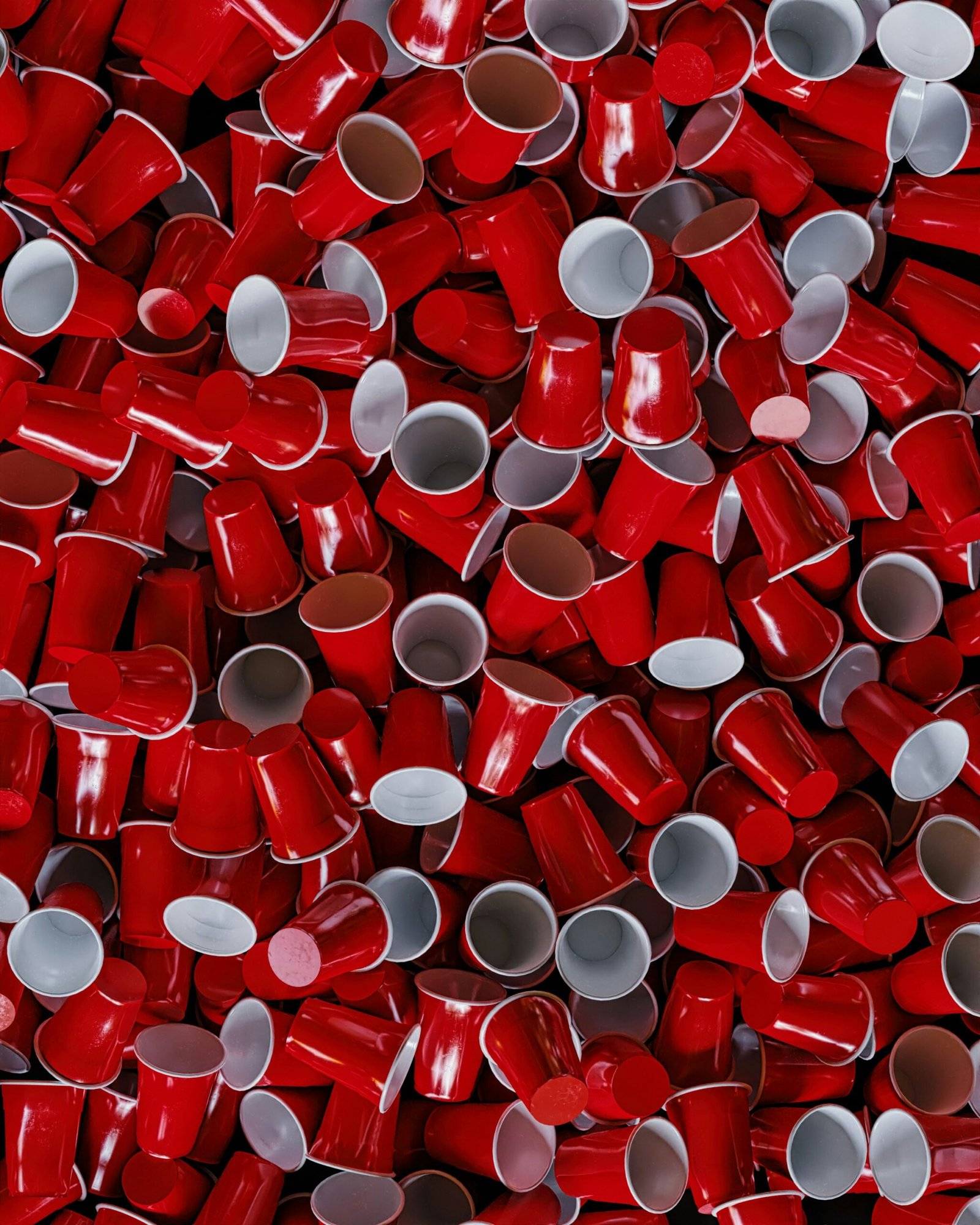
How to Reduce Microplastic Pollution in Oceans and Rivers
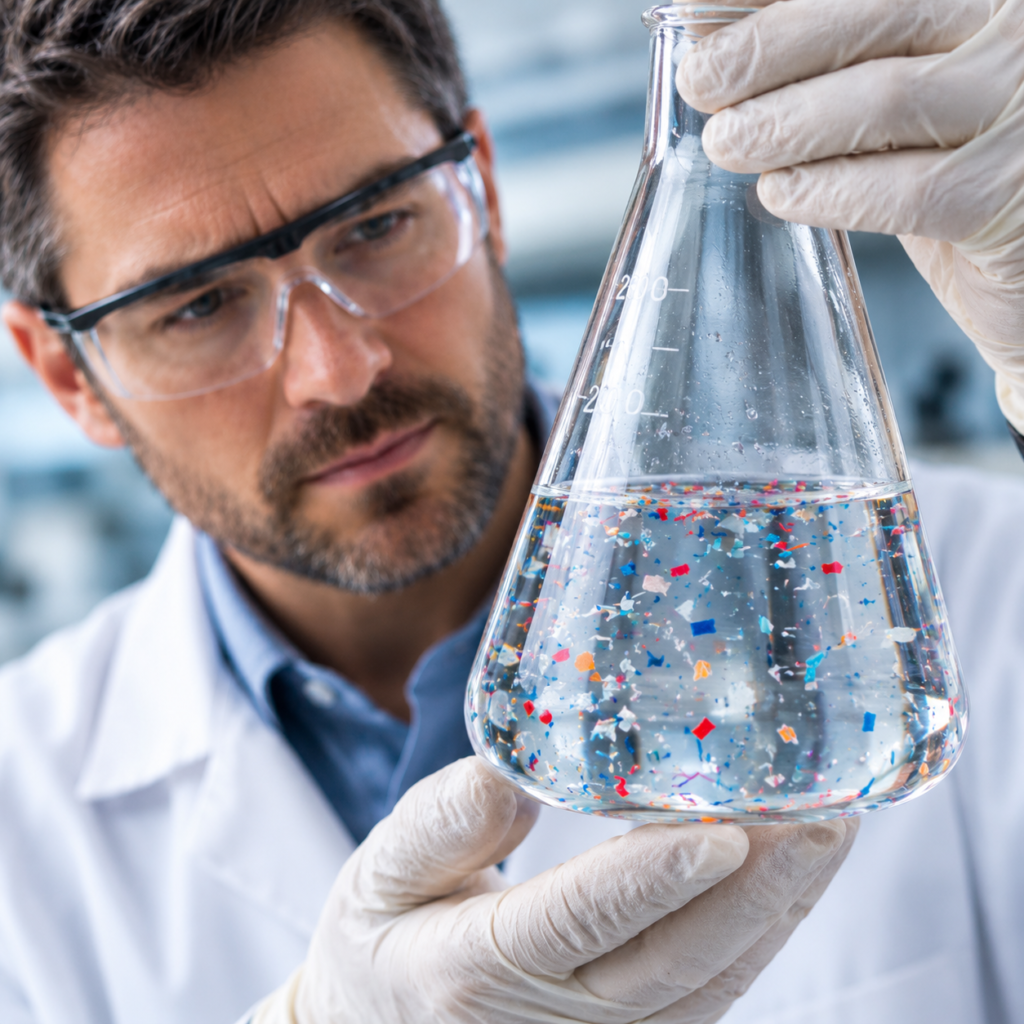
Microplastics are a growing environmental challenge affecting rivers, lakes, coastlines, and oceans around the world.
Microplastic pollution comes from when tiny plastic particles enter waterways through stormwater runoff, tire wear, synthetic clothing, wastewater, and the breakdown of larger plastic waste.
Once released into the environment, microplastics pollution can be difficult to track and remove. Rivers can transport plastic pollution from inland communities toward estuaries and the sea, connecting what happens on land to the health of marine ecosystems.
But there is good news: preventing pollution at its source, improving wastewater and stormwater management, reducing plastic waste, and supporting effective restoration efforts can all contribute to healthier waterways.
At LetsCo, we believe everyday choices can contribute to a more sustainable future. In this guide, we’ll explore where microplastics come from, how they affect freshwater and marine environments, and what individuals, communities, and businesses can do to help reduce pollution.
What is Microplastic Pollution?
Microplastics are plastic particles smaller than 5 millimeters, approximately the size of a pencil eraser or smaller. They vary in shape, composition, and origin.
Scientists generally distinguish between two main categories:
- Primary microplastics: Small plastic particles manufactured for particular uses, including certain industrial applications and plastic pellets used to make larger products.
- Secondary microplastics: Particles created when larger plastic materials break down through sunlight, weathering, abrasion, and other physical processes.
Common sources include synthetic textiles, vehicle tires, plastic packaging, discarded fishing gear, industrial plastic pellets, and fragments of litter.
Microplastics have been detected in freshwater systems, coastal environments, and the open ocean. Their movement depends on particle size, density, water flow, currents, and environmental conditions.
Because these particles can be widely dispersed and difficult to measure consistently, understanding their sources is essential to developing effective prevention strategies.
For more background, explore the NOAA Marine Debris Program’s guide to microplastics.
How Microplastics Enters Rivers and Oceans
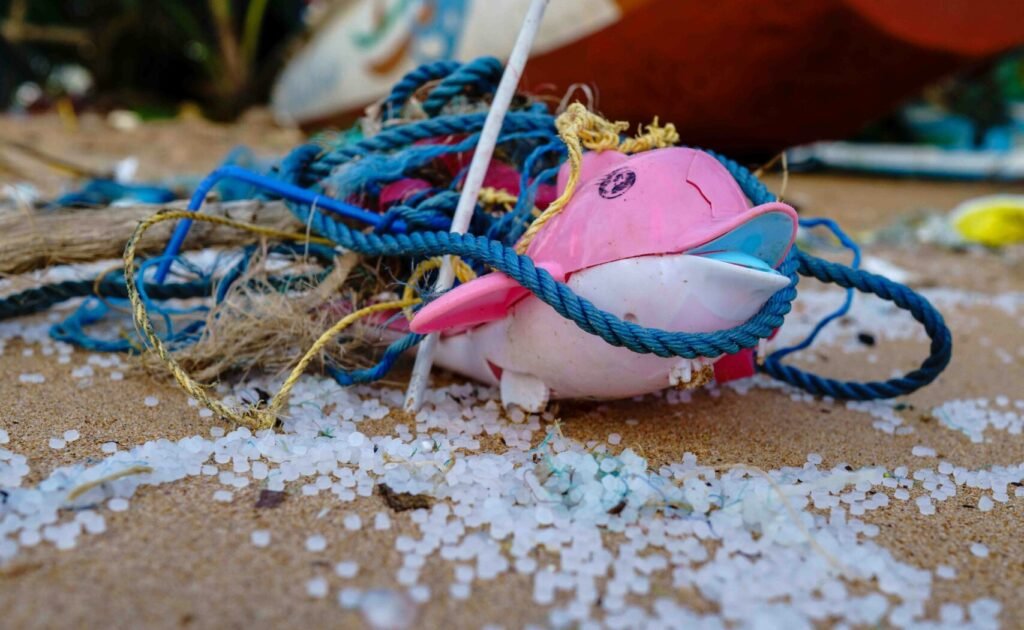
how discarded plastics can break into smaller pieces and contribute to coastal
and marine pollution.
Microplastic pollution does not originate in one place. It comes from multiple sources, and the pathways connecting them are important.
1. Stormwater runoff
Rainwater flowing across roads, parking lots, sidewalks, and other developed surfaces can collect tire-wear particles, plastic fragments, synthetic fibers, and other pollutants.
In some communities, storm drains discharge runoff directly into creeks, rivers, or coastal waters without the same treatment used for household wastewater.
Research from the San Francisco Estuary Institute’s Microplastics Project highlights urban stormwater as an important source of microplastics entering San Francisco Bay, including particles associated with tire wear and fibers.
This matters because pollution can enter waterways even when people are not directly dumping plastic into them.
2. Synthetic clothing and textile fibers
Polyester, nylon, acrylic, and other synthetic textiles can release microscopic fibers during washing and everyday wear.
Some fibers travel through wastewater systems, while others can reach the environment through dust, air, and stormwater.
Laundry filters and specialized fiber-capture products can reduce some releases, although their effectiveness varies and they do not capture every particle.
3. Vehicle tires and road wear
Tires gradually shed material as vehicles travel. Tire-wear particles can accumulate on roads and be washed into nearby waterways during rainfall.
This source is particularly challenging because tire-related pollution includes a mixture of rubber, plastic-related materials, and chemical additives.
Reducing unnecessary vehicle travel and improving stormwater treatment can help, but meaningful progress also depends on better road-runoff management and other source-control measures.
4. Plastic litter and packaging
Plastic bags, bottles, wrappers, foam packaging, and other discarded products can enter waterways through wind, rain, and improper waste disposal.
Over time, sunlight, abrasion, and weathering can break larger plastic items into smaller fragments.
Preventing litter from reaching the environment is therefore important not only for reducing visible pollution but also for limiting one source of future microplastics.
5. Wastewater and industrial releases
Wastewater can contain synthetic fibers and other plastic particles from household, commercial, and industrial activities. Treatment plants capture some particles, but removal rates vary.
Captured material may also move into sewage sludge, so its eventual handling matters.
Industrial plastic pellets can enter the environment through spills, poor containment, or losses during transportation and manufacturing.
Effective prevention requires responsible handling practices, appropriate treatment, and monitoring throughout the supply chain.
How Do Rivers Carry Microplastic Pollution to the Ocean?
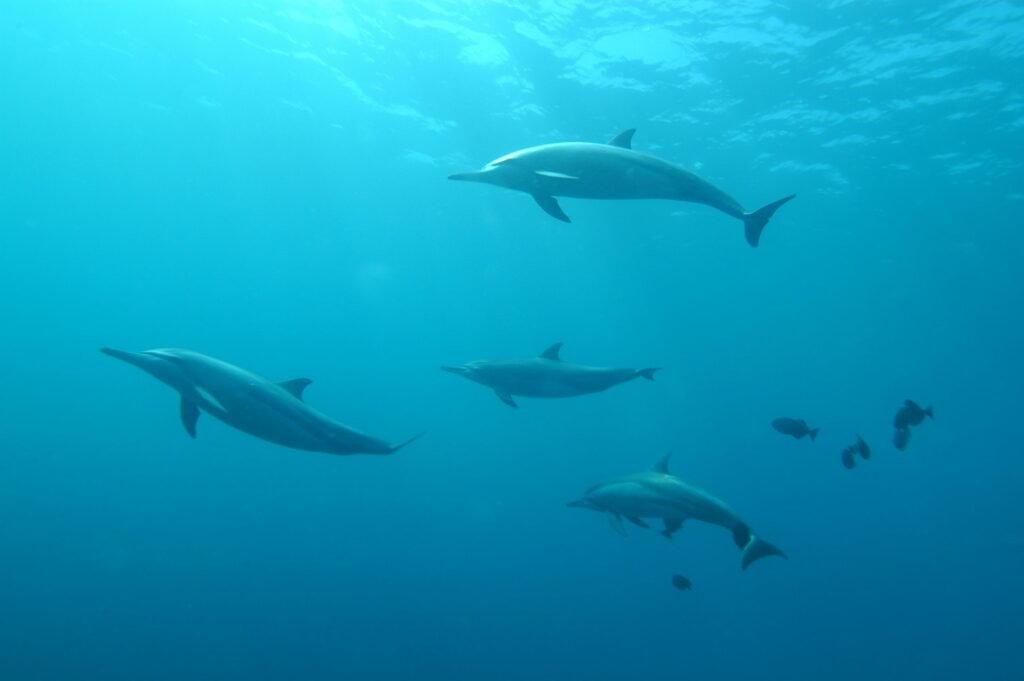
the importance of protecting healthy seas.
Rivers connect inland communities with coastal ecosystems. Rainwater and flowing streams can transport discarded plastic and smaller particles downstream, eventually carrying some of that material into estuaries and the sea.
However, not all plastic that enters a river reaches the ocean. Some remains trapped along riverbanks, accumulates in sediments, or becomes caught in vegetation and other features of the landscape.
The United Nations Environment Programme explains that river systems can retain microplastic pollution for extended periods, creating a potential source of continued contamination even after new releases decline.
Learn more in UNEP’s overview of riverine plastic pollution.
This connection between land, rivers, and oceans has an important practical implication: preventing microplastic pollution before it reaches a river can also help protect the ocean downstream.
That is why effective solutions must work across the entire pathway, from the places where pollution begins to the environments where it accumulates.
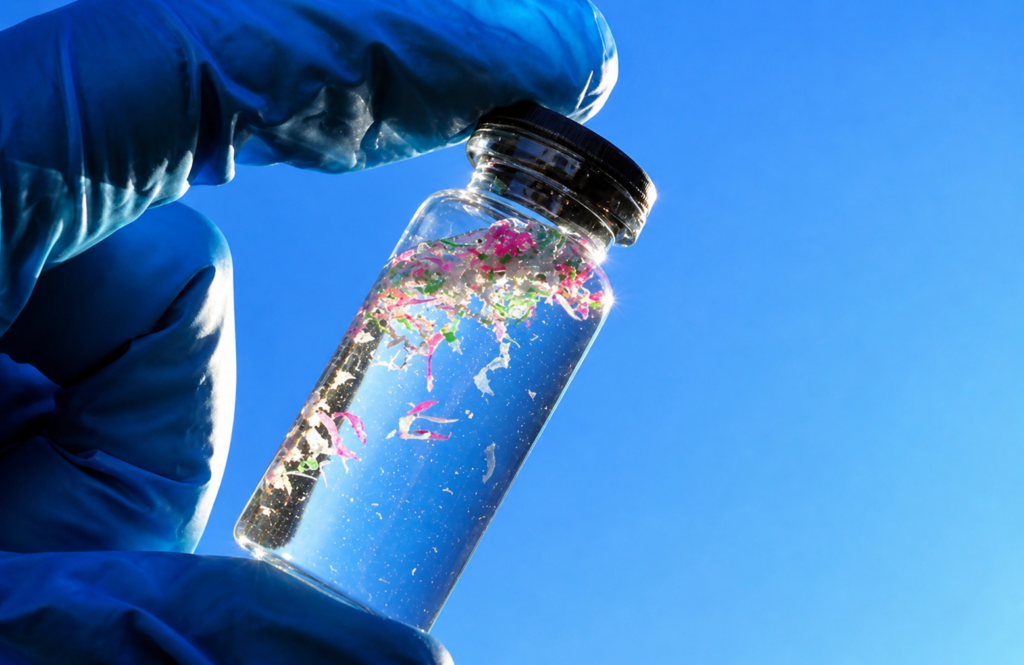
pollution difficult to remove and preventing it at the source especially important.
What Happens to Microplastics in the Ocean?
When plastic particles reach coastal waters or the open ocean, their movement becomes more complex.
Waves, currents, wind, and ocean circulation can transport plastic over considerable distances. Some particles remain near the surface, while others move deeper into the water or settle into marine sediments.
Microplastics have been found in many marine environments, including beaches and remote ocean regions. Their widespread distribution makes monitoring and removal difficult.
Effects on marine wildlife
Fish, shellfish, seabirds, and other marine organisms can ingest microplastics directly or through contaminated food.
The effects vary according to the species, particle characteristics, exposure levels, and environmental conditions. Research has identified harmful effects under some circumstances, but the extent of ecological damage in natural environments remains an active area of investigation.
Larger plastic debris also creates serious hazards through entanglement, ingestion, and damage to habitats.
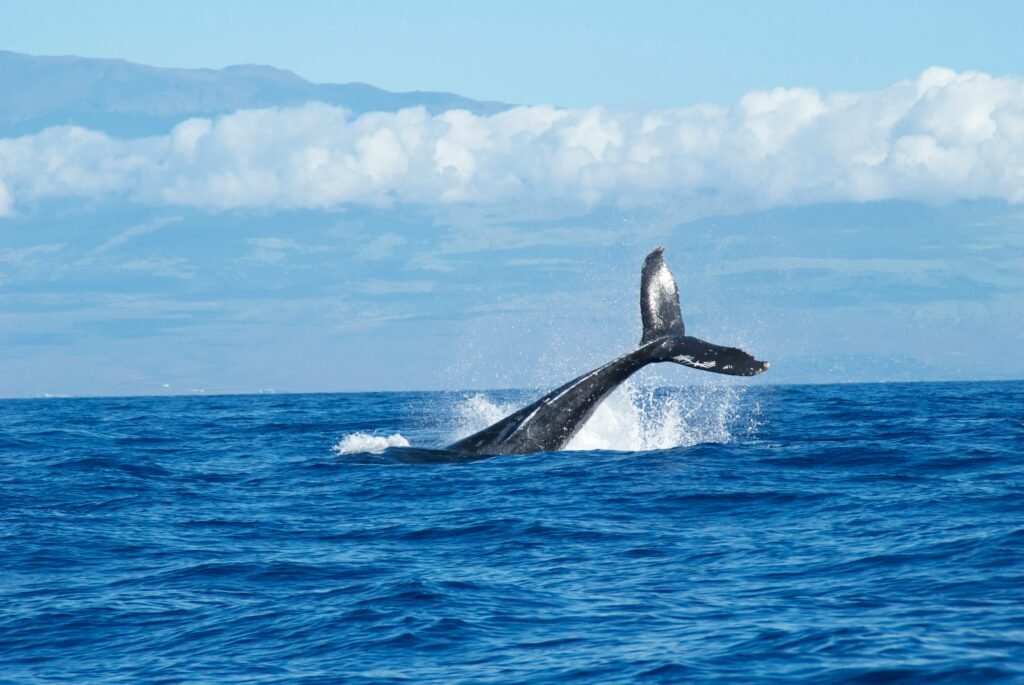
Movement through marine food webs
Microplastics can enter food webs when small organisms ingest them and are subsequently consumed by other animals.
Researchers continue to investigate how particle size, chemical composition, exposure, and other factors affect organisms at different levels of the food web.
The presence of microplastics in an organism does not, by itself, establish a particular health outcome. More research is needed to understand the consequences of different exposures for marine wildlife and people.
Why ocean cleanup matters
Preventing new pollution is essential, but it does not automatically remove plastic already present in the environment.
Cleanup initiatives can remove accessible debris and intercept some floating plastic before it travels farther. Their effectiveness depends on the type of pollution, location, technology, and operating conditions.
The NOAA overview of ocean pollution and marine debris provides additional information about the sources and impacts of marine pollution.
10 Practical Ways to Reduce Plastic Pollution
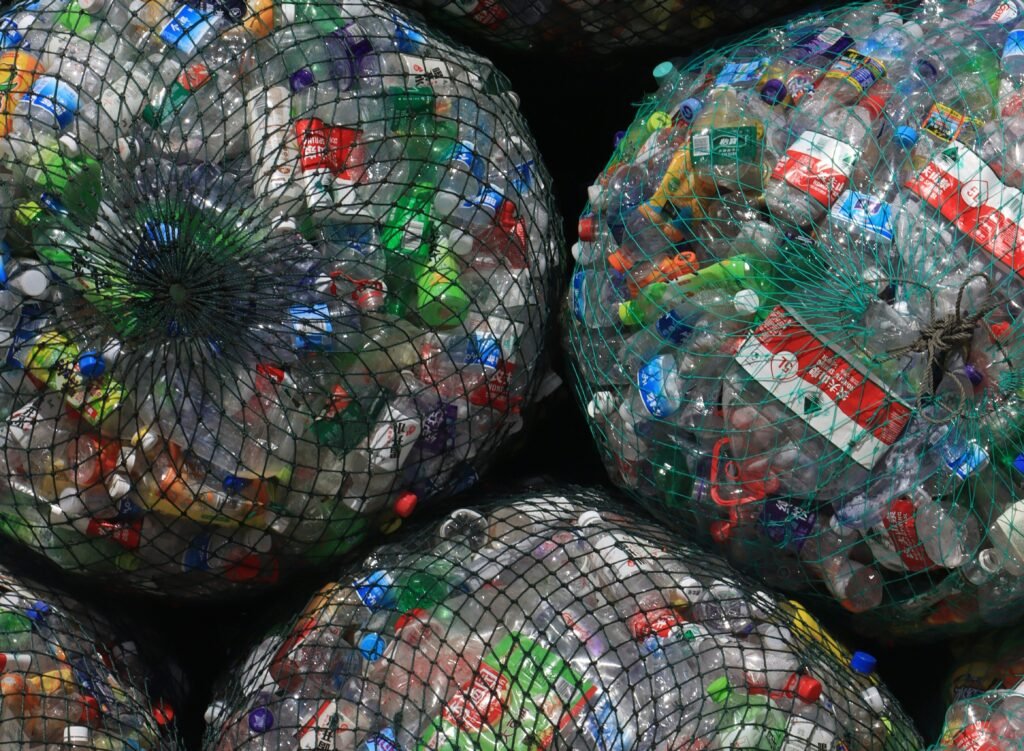
plastic waste and the challenges of managing it responsibly.
No single action can eliminate microplastics from rivers and oceans. The most effective approach combines personal habits with better infrastructure, pollution prevention, research, and community involvement.
1. Reduce unnecessary single-use plastics
Use reusable bags, bottles, and food containers when practical. Avoid unnecessary disposable packaging and choose durable products that can be used repeatedly.
Reusable items are most beneficial when they are used enough to justify the resources required to produce them.
Why it helps: Reducing disposable plastic consumption can limit waste generation and the amount of plastic available to escape into the environment.
2. Prevent litter from entering storm drains
Secure lightweight packaging, dispose of waste properly, and pick up litter safely when you encounter it.
Keep sidewalks, gutters, and outdoor areas clear of loose plastic debris. Never pour chemicals, oils, or other hazardous substances into storm drains.
Why it helps: Rainwater can carry litter and accumulated particles from streets directly into waterways.
3. Consider a washing-machine microfiber filter
Some washing-machine filters and specialized laundry bags capture fibers released from synthetic clothing.
Choose a product compatible with your machine, follow installation instructions, and dispose of captured fibers with solid waste according to local guidance.
Why it helps: Fiber-capture devices can reduce the amount of textile fibers discharged during washing, although they do not address every source of microplastic pollution.
4. Wash clothing thoughtfully
Avoid unnecessary washing, follow garment-care instructions, and keep clothing in use for longer.
Washing conditions can influence fiber release, but results vary by fabric and machine. Cold water or a particular detergent should not be treated as a complete solution.
Why it helps: Reducing unnecessary laundry and using appropriate fiber-capture methods can help limit releases from synthetic textiles.
5. Choose durable products and reduce waste
When shopping, consider whether a product is built to last, can be repaired, and uses packaging that can realistically be reused or recycled in your area.
Be cautious of broad environmental claims without supporting evidence. A product’s overall impact depends on its materials, manufacturing, useful life, and disposal.
Why it helps: Buying fewer short-lived items and extending product life can reduce waste and opportunities for plastic to enter waterways.
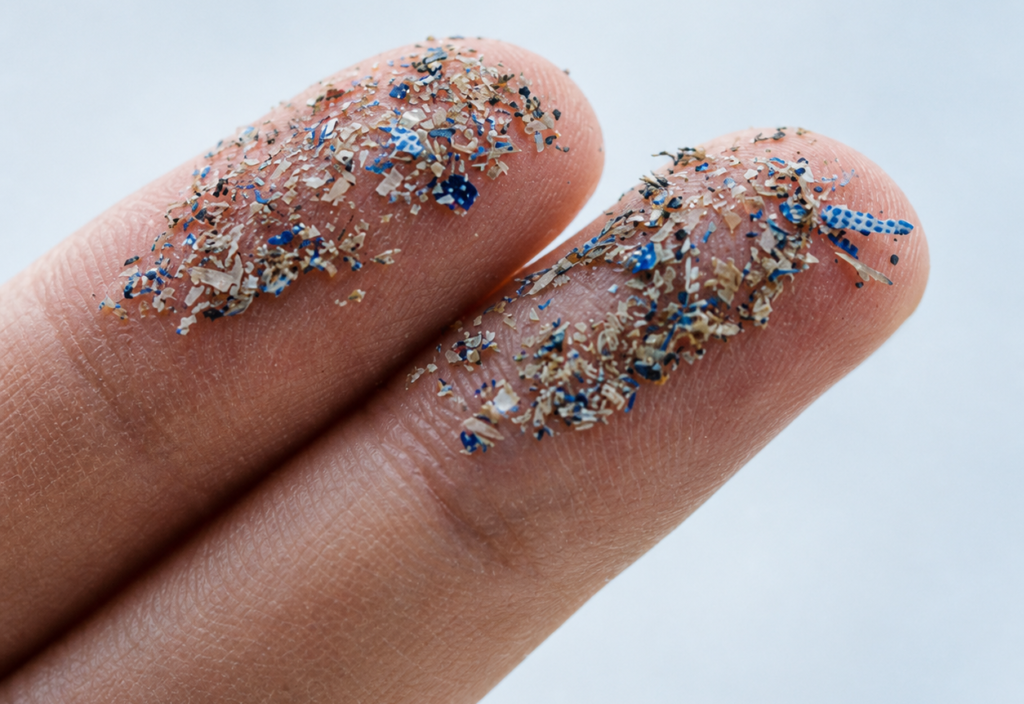
throughthe breakdown of larger plastics and other sources.
6. Reduce unnecessary vehicle trips when practical
Walking, cycling, using public transportation, and combining errands can reduce vehicle travel when these options are safe and accessible.
Tire wear depends on several factors, including vehicle weight, tire characteristics, road conditions, and driving patterns. No single behavior eliminates tire-wear pollution.
Why it helps: Reducing unnecessary vehicle use can contribute to lower overall tire use and wear, while stormwater treatment helps intercept particles that reach roads and drains.
7. Support better stormwater management
Rain gardens, vegetated drainage areas, permeable surfaces, and appropriately designed filtration systems can help capture pollutants before runoff reaches rivers and coastal waters.
A July 2026 San Francisco Estuary Institute study of rain gardens found substantial reductions in several stormwater contaminants, including tire-wear particles, in the systems studied.
Performance varies with design, maintenance, and local conditions, so these systems should be viewed as part of a broader pollution-control strategy.
Why it helps: Treating runoff before it reaches a waterway can intercept pollutants that would otherwise travel downstream.
8. Join local river, beach, and coastal cleanups
Participate in organized cleanups and follow safety guidance, particularly near fast-moving water, contaminated sites, and hazardous debris.
Removing accessible plastic litter can protect habitats and prevent some larger items from breaking into smaller fragments.
Why it helps: Cleanups remove existing debris, but ordinary volunteer activities cannot remove all microscopic particles dispersed through water and sediment. Prevention remains essential.
9. Support responsible waste handling and pollution prevention
Communities and businesses can reduce plastic leakage through secure storage, improved waste collection, industrial containment, and responsible disposal practices.
Support local programs that address litter, stormwater, recycling limitations, and pollution prevention.
Why it helps: Better waste management can reduce the amount of plastic escaping into rivers and oceans in the first place.
10. Support credible environmental organizations and research
Learn about local watershed initiatives, scientific monitoring, and organizations working on river restoration and ocean cleanup.
Look for transparent descriptions of activities and measurable results. Removing visible debris, reducing plastic releases, restoring habitats, and monitoring microplastics are different activities and should not be treated as interchangeable.
Why it helps: Informed support can help strengthen prevention, restoration, research, and public awareness.
How Cleanup Efforts Help Reduce Microplastic in the enviroment
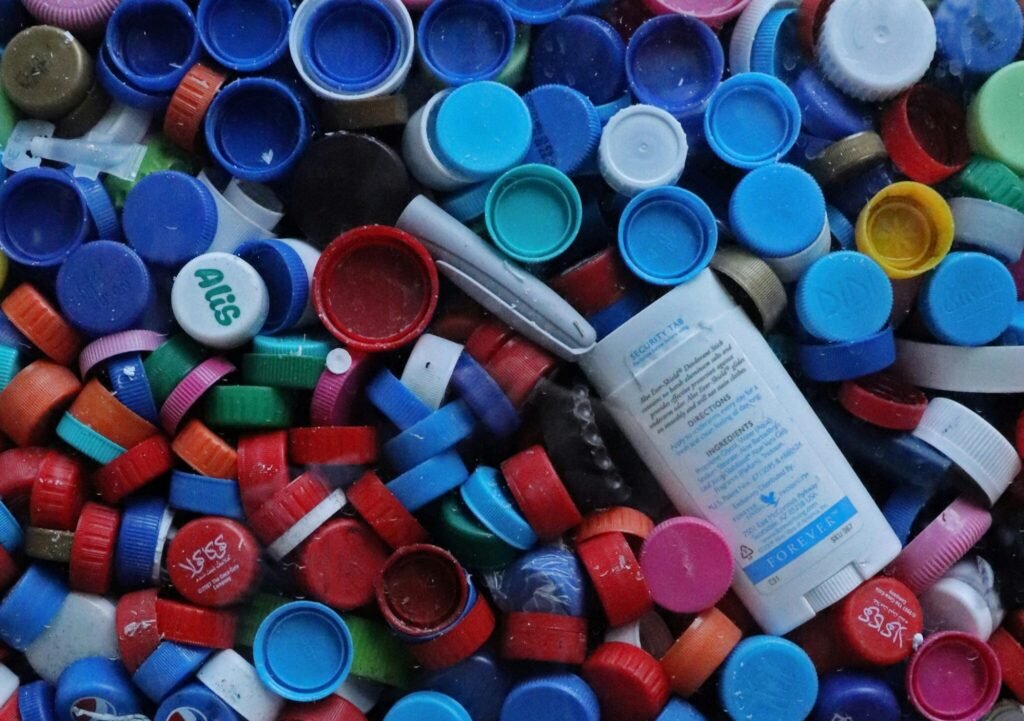
waste and the challenge of keeping small plastic items out of the
environment.
Cleanups are valuable, but they are only one part of the solution.
River cleanup teams can remove accessible litter before it travels downstream or breaks into smaller fragments. Ocean cleanup projects can collect certain types of floating debris already present in marine environments.
However, tiny particles are dispersed throughout water and sediments, making comprehensive removal difficult. Cleanup technologies also vary in their ability to capture different sizes and types of plastic.
Two complementary approaches are needed.
Prevention upstream: Reduce plastic releases, improve waste management, capture pollutants in stormwater, and limit avoidable sources such as textile fibers and tire wear.
Restoration downstream: Remove accessible debris, restore damaged habitats, support appropriate cleanup projects, and monitor environmental conditions.
Both approaches matter. Cleanup cannot replace prevention, and prevention alone does not immediately remove plastic already in the environment.
The Ocean Cleanup
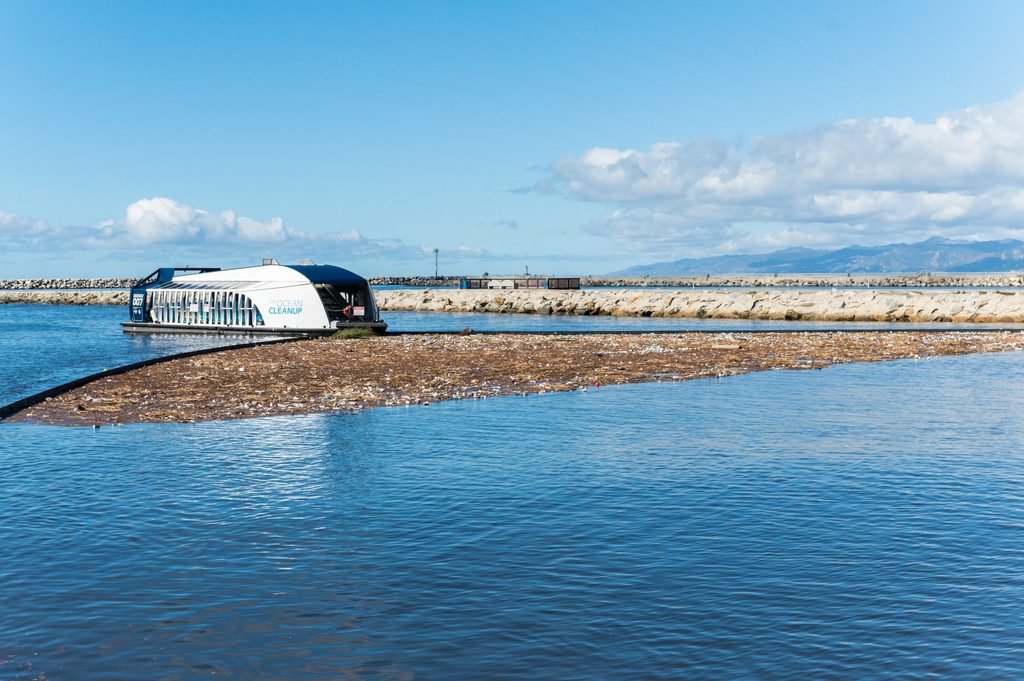
collecting waste from rivers before it can flow into the ocean.
The Ocean Cleanup develops technologies intended to remove plastic from the ocean and intercept plastic in rivers before it reaches marine environments.
Its river and ocean projects address different stages of the pollution pathway. River interception aims to capture floating plastic in selected waterways, while ocean cleanup systems target certain accumulations of floating debris.
These technologies are not a substitute for reducing plastic releases at the source, and they do not remove every microplastic particle already dispersed in the environment.
Together, prevention, responsible waste management, and targeted cleanup can contribute to a more comprehensive response.
How American River Restoration and The Ocean Cleanup Help
Different organizations address different parts of the plastic-pollution problem.
American River Restoration
American River Restoration works to remove trash and congestion from inland waterways, promote awareness of plastic pollution, prevent littering, and improve access to environmental education.
Its focus on inland waterways reflects an important connection: reducing plastic waste in rivers can help prevent some debris from moving downstream toward bays and oceans.
Local restoration and cleanup work also helps communities engage directly with the condition of their waterways.
How LetsCo Turns Everyday Shopping Into Meaningful Impact
At LetsCo, we believe everyday shopping can do more than help you find great products. It can also help support causes working toward a better future.
We donate 10% of all revenue generated through our store and affiliate partnerships to charities and mission-driven initiatives that make a real difference.
Our focus includes cleaner rivers, healthier oceans, environmental restoration, conservation, stronger communities, and animal welfare. Through our mission-driven approach, we aim to connect the products people want with causes worth supporting.
Reducing microplastic pollution requires action at every stage — from preventing plastic waste and runoff before they reach waterways to supporting efforts that remove pollution already in the environment.
That is why we believe in both prevention and restoration.
Explore our Mission Hub to learn more about the causes we support, or visit How LetsCo Works to understand how shopping with LetsCo connects to our mission.
Frequently Asked Questions
What is the difference between microplastic pollution in rivers and oceans?
Rivers receive plastic particles from sources such as stormwater, wastewater, road runoff, and litter. They can transport some of that pollution downstream. In oceans, particles may disperse through currents, accumulate in particular areas, or settle into sediments. Some pollution remains trapped along riverbanks or in other environments before reaching the sea.
What is the biggest source of microplastics in oceans?
There is no single source that dominates every marine environment. Sources include synthetic textiles, tire wear, fragmented plastic waste, industrial losses, and some ocean-based activities. Their relative importance varies by location and by how pollution is measured.
Do washing-machine filters remove all microplastics?
No. Filters designed to capture textile fibers can reduce some releases during laundry, but their effectiveness varies. They also do not address particles from tires, stormwater, litter, or other sources.
Can river cleanups prevent ocean pollution?
They can help by removing accessible plastic debris before it travels downstream or breaks into smaller fragments. However, not all plastic in rivers reaches the ocean, and ordinary cleanups do not remove all microscopic particles.
Are microplastics harmful to human health?
Scientists are investigating possible health effects and exposure pathways. Microplastics have been detected in environmental samples, food, and drinking-water sources, but important questions remain about the health consequences of different exposures. Detection alone does not prove that a particular exposure causes disease.
What is the most effective way to reduce microplastics?
There is no single solution. Effective strategies combine preventing plastic releases, improving waste and stormwater management, reducing textile-fiber releases, addressing tire wear, monitoring pollution, and supporting targeted cleanup and restoration efforts.
Can individual choices make a difference?
Yes, individual actions can contribute to broader pollution prevention. Reducing unnecessary plastic waste, preventing litter, managing laundry fibers, and supporting community initiatives are useful steps. Their impact grows when combined with responsible business practices, public infrastructure, and effective policy.
Conclusion: Prevention Upstream. Restoration Downstream. Both Matter.
Microplastic pollution connects our streets, homes, rivers, coastlines, and oceans. Plastic discarded far inland can enter storm drains, travel through waterways, and contribute to pollution in marine environments. Other particles are released through everyday activities such as driving and washing synthetic clothing.
Addressing this challenge requires more than one solution.
Preventing plastic waste, improving stormwater treatment, reducing avoidable releases, supporting scientific research, and restoring damaged waterways can all play a role. River and ocean cleanup projects are important, but lasting progress also depends on stopping pollution before it spreads.
At LetsCo, we believe everyday choices can contribute to a more sustainable future. By making thoughtful purchasing decisions, supporting credible environmental initiatives, and staying informed about effective solutions, we can help make cleaner waterways a shared priority.
Further Reading: Microplastic Pollution and Environmental Solutions
Explore these scientific and institutional resources to learn more about plastic pollution, its pathways, and possible solutions.
- NOAA Marine Debris Program: Microplastics — Sources, pathways, and environmental context.
- San Francisco Estuary Institute: San Francisco Bay Microplastics Project — Regional research on stormwater, wastewater, and microplastics.
- San Francisco Estuary Institute: Rain Gardens Study, July 2026 — Findings on rain gardens and stormwater contaminants.
- United Nations Environment Programme: Riverine Plastic Pollution — How plastic pollution moves through and accumulates in river systems.
- United Nations Environment Programme: Source-to-Sea Approaches — Why land, freshwater, coastal, and marine pollution should be addressed together.
- NOAA: Ocean Pollution and Marine Debris — Background on pollution sources and marine environmental impacts.
Explore the LetsCo Mission Hub to learn how everyday shopping can create a greater impact.
Same Shopping. Greater Impact.
Related Environmental Articles:
- The Rise of Purpose-Driven Shopping: Why Where You Buy Matters More Than Ever
- How Sustainable Commerce Can Help Solve Microplastic Pollution Through Ocean and River Restoration
- How to Reduce Microplastic Pollution in Oceans and Rivers
Affiliate Spotlight Articles:
- 5 Best Amazon Kitchen Gadgets That Save Time In 2026
- Built for the Journey : Discover Vanpowers E-Bikes
- Paris Hotel Guide: Beautiful Hotels for Every Travel Style
- Where Fashion Meets Individuality: Discover CicyBell’s Modern Women’s Collection
- Discover more Outdoor: Fishing , Hunting and Camping with King’s Camo
- Ditch the Car, Grab a Trike, & Roll with 3x the Fun: Mooncool
- 10 Baby Essentials Every New Parent Needs