How Sustainable Commerce Can Help Solve Microplastic Pollution Through Ocean and River Restoration
Shop with a Heart: How LetsCo’s Pledge Restores Oceans, Rivers and Reduces Plastic Pollution

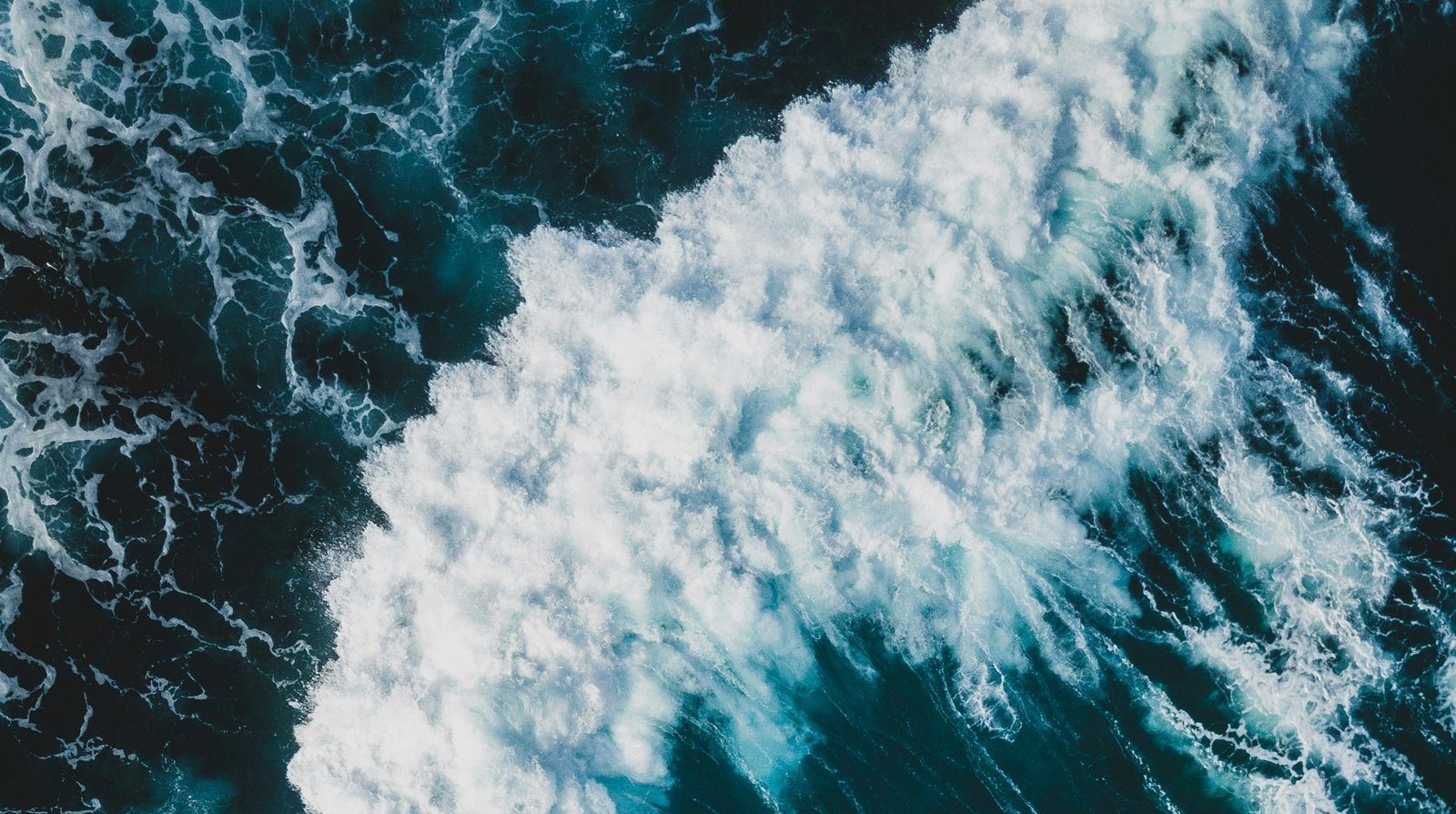
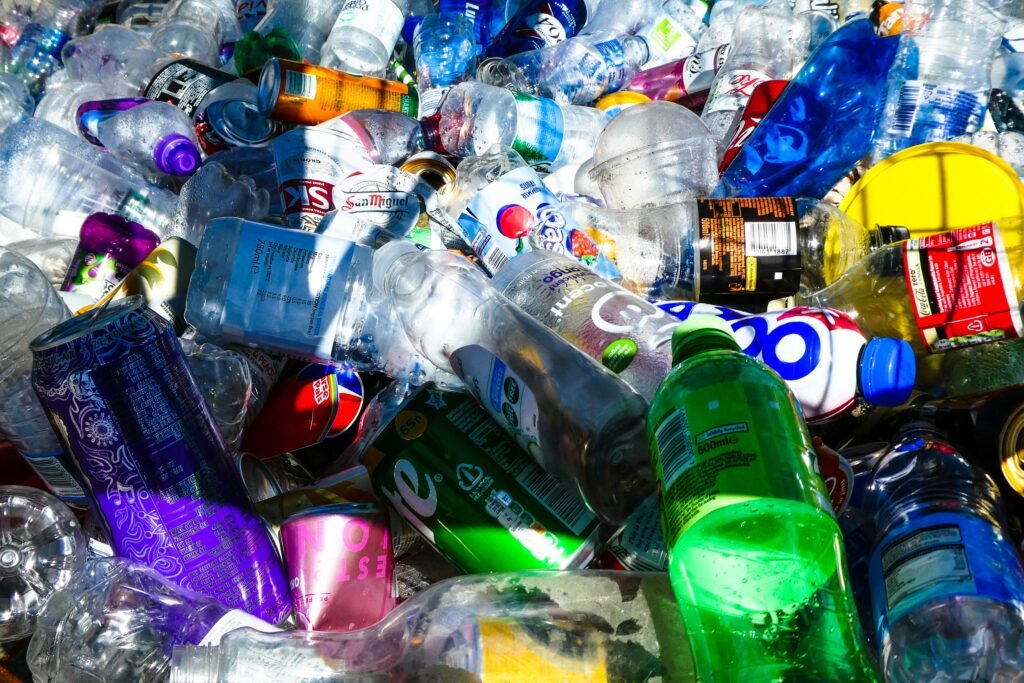
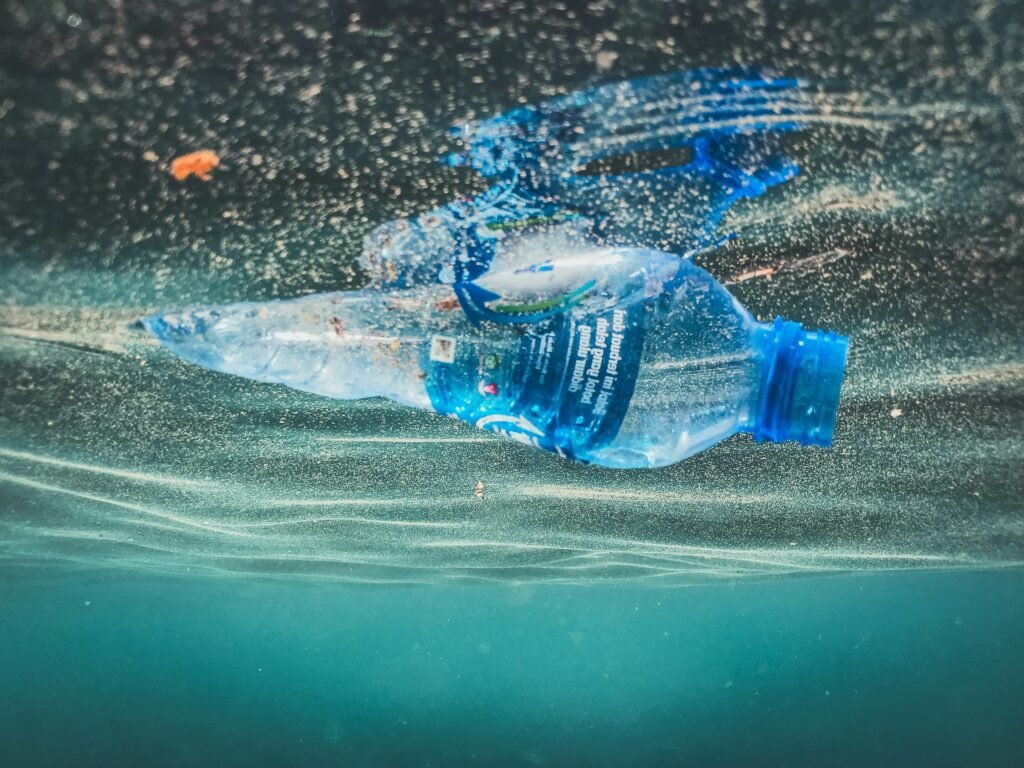
Microplastic pollution has quietly become one of the fastest-growing environmental threats on Earth. These tiny plastic fragments, formed when larger plastics break down, end up in rivers, lakes, and streams—harming wildlife and even entering the human food chain.
The good news? Shopping can be part of the solution.
At LetsCo, we believe in shopping with a heart. Our marketplace curates best-selling, high-quality products for your everyday needs while directing a portion of every purchase toward environmental restoration.
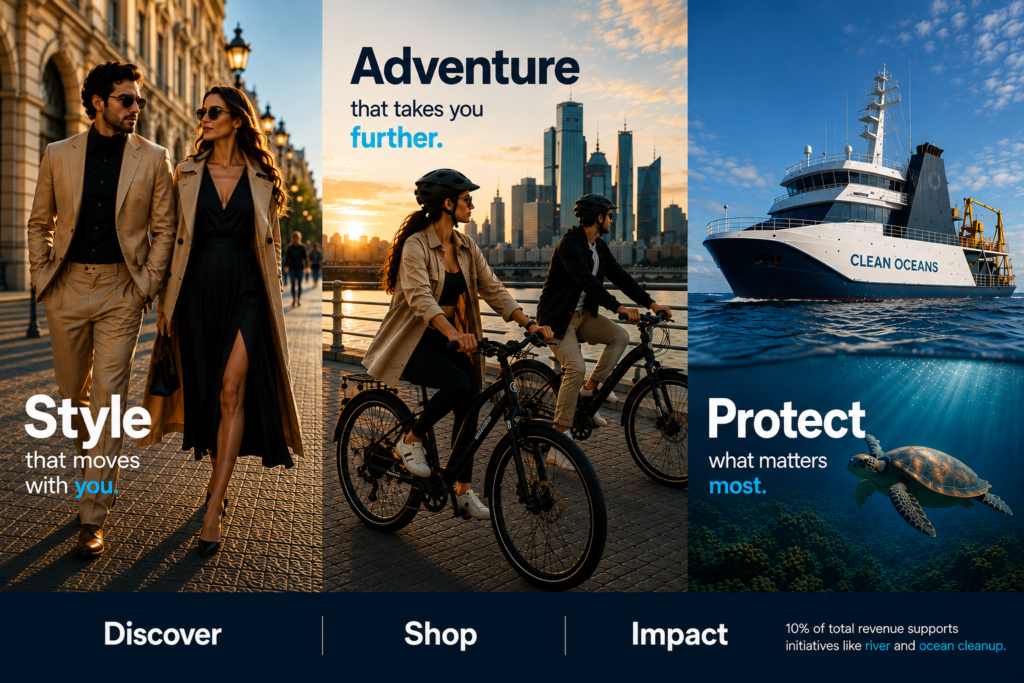
Through LetsCo’s Commitment to a Better World pledge, 10% of revenue from every sale supports environmental initiatives, including The Ocean Cleanup and other philanthropic partners.
This means every transaction contributes to restoring rivers and oceans, reducing plastic pollution, and creating measurable environmental impact—without requiring consumers to change their daily habits.
Understanding Microplastic Pollution
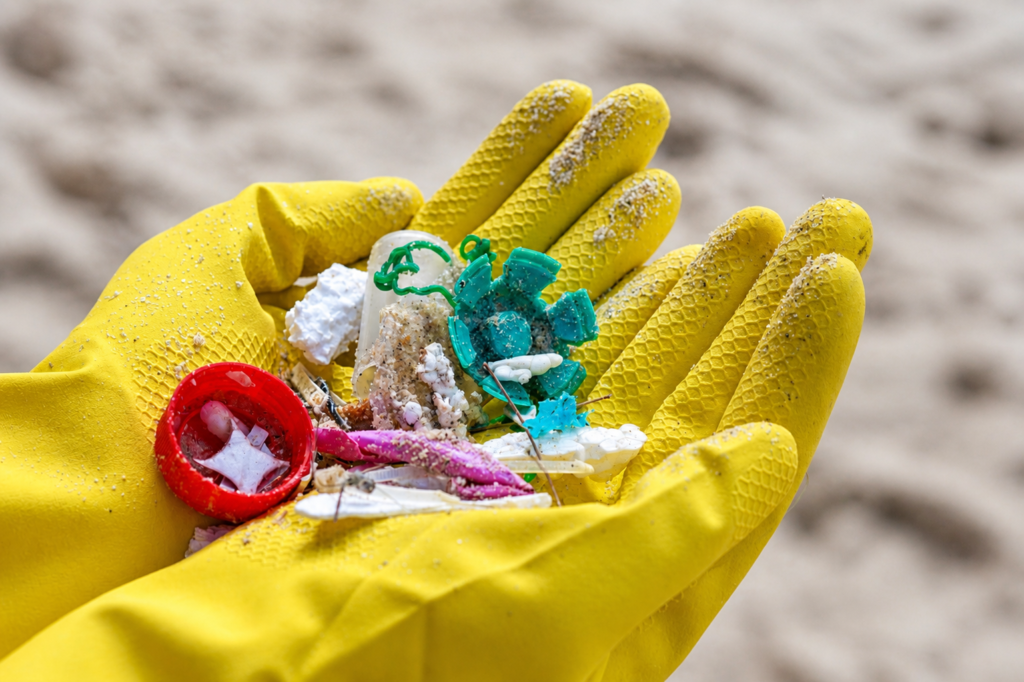
Microplastics are plastic fragments smaller than 5 millimeters that form when larger plastics break down due to sunlight, weather, and mechanical wear.
These particles have now been found in:
- Rivers and freshwater systems
- Oceans and marine ecosystems
- Agricultural soil
- Wildlife and fish
- Drinking water
Because rivers act as major transport systems for plastic waste, protecting waterways is one of the most effective strategies for reducing global microplastic pollution.
Organizations such as The Ocean Cleanup focus on preventing plastic waste from becoming microplastics by removing debris early, restoring ecosystems, and supporting public awareness efforts.
By linking every purchase to real-world restoration projects, shopping on LetsCo becomes more than just a transaction—it becomes an act of environmental stewardship.
Visit the LetsCo Mission Hub for more information
How Restoration Helps Reduce Microplastic Pollution
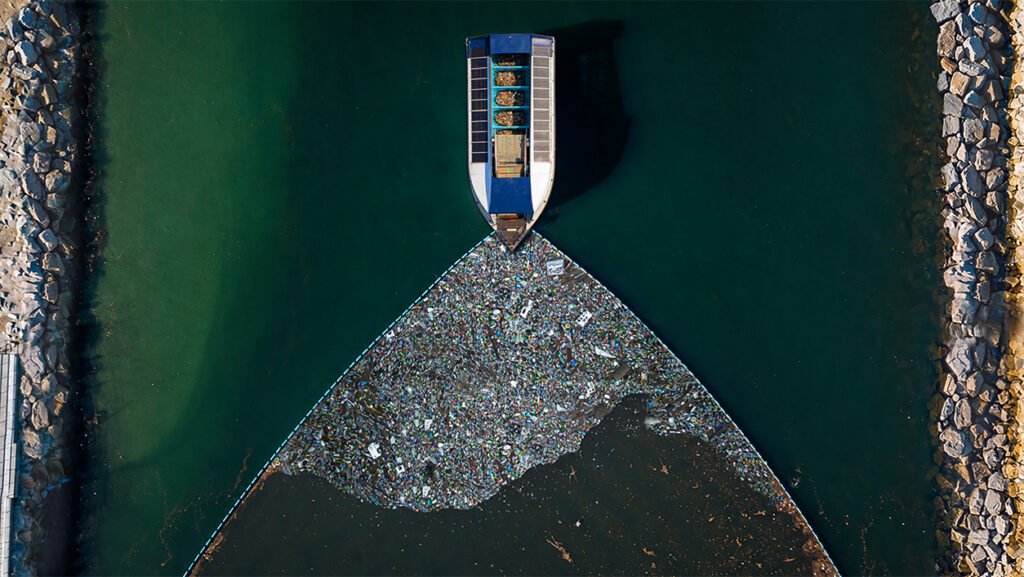
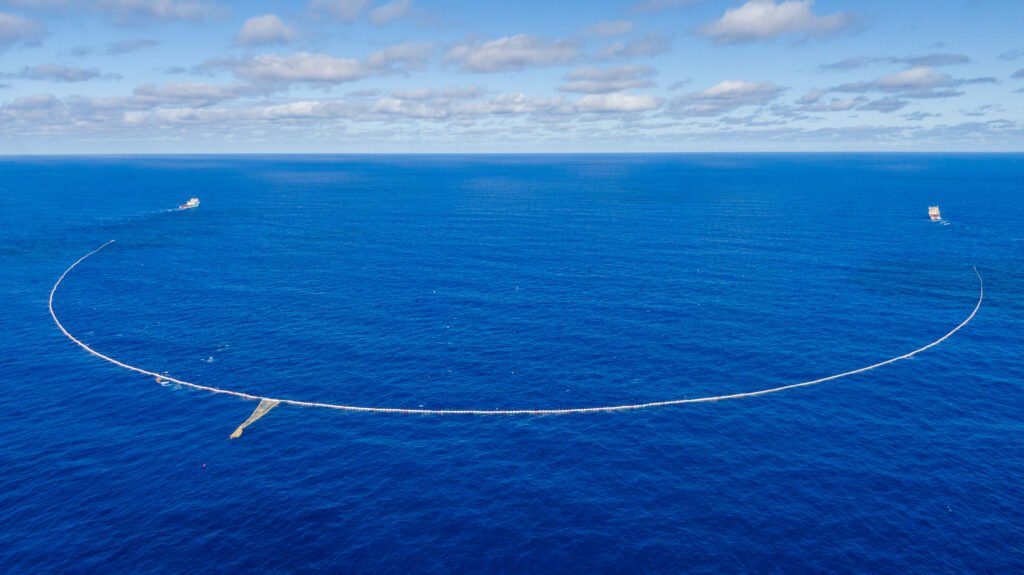
Every piece of plastic removed from the ocean is a step toward cleaner seas and healthier marine ecosystems. The OceanCleanup’s work demonstrates how innovation and collective action can help restore one of Earth’s most important natural resources.
Both The Ocean Cleanup and the American River Restoration play an important role in protecting aquatic ecosystems through three key efforts:
1. Removing Plastic Waste Early
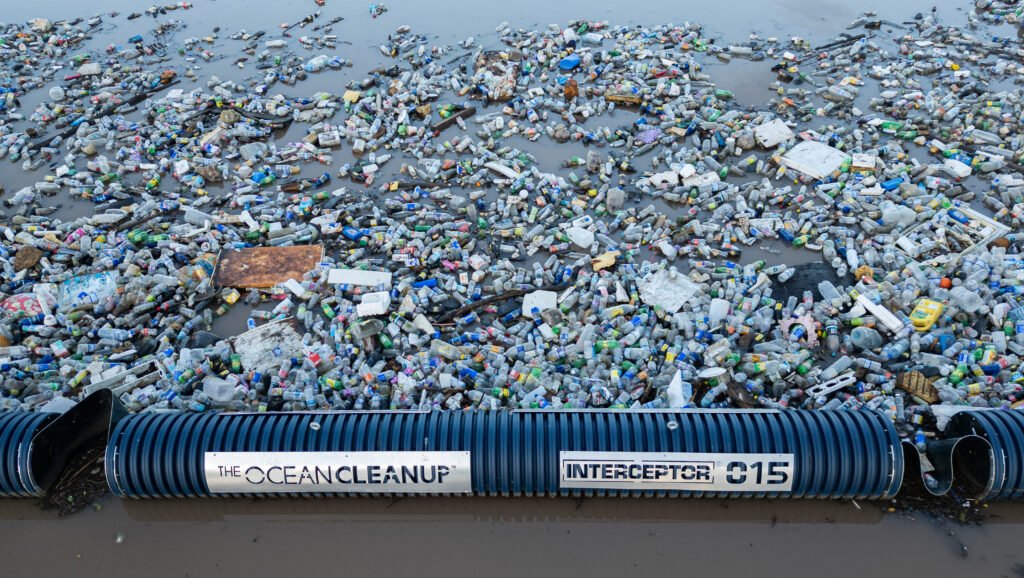
Cleaning rivers and surrounding areas prevents large plastic items from breaking down into harmful microplastics, stopping pollution at its source.
The Ocean Cleanup’s river-based Interceptor systems capture plastic before it reaches the ocean, while local cleanup programs along the American River remove litter and debris from waterways and parklands.
2. Educating Communities and Youth
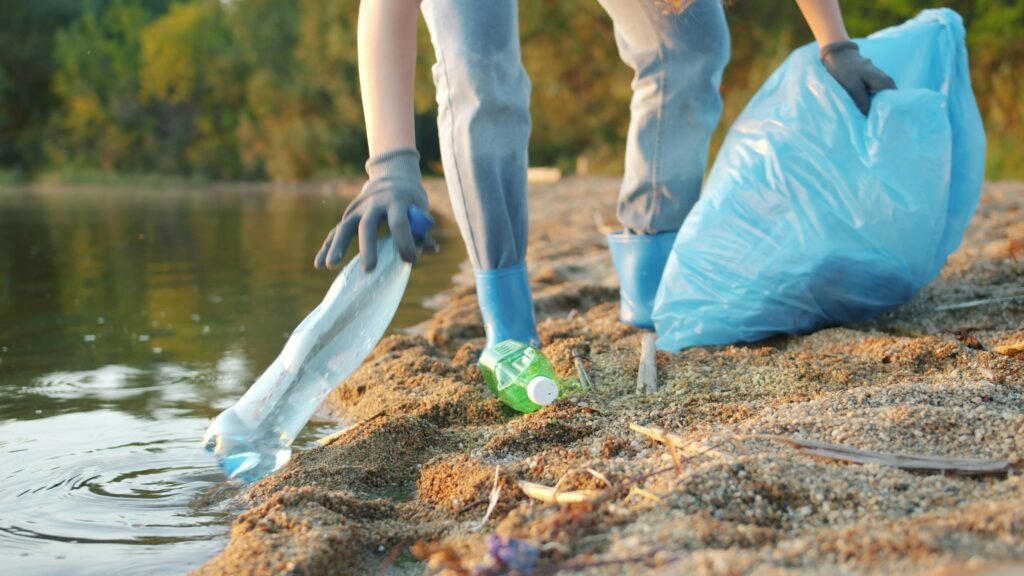
Community outreach and volunteer programs help people understand the importance of protecting waterways.
Programs such as the American River Rangers and other environmental education initiatives encourage families, students, and community members to reduce pollution and become long-term stewards of local ecosystems.
3. Protecting Wildlife and Biodiversity
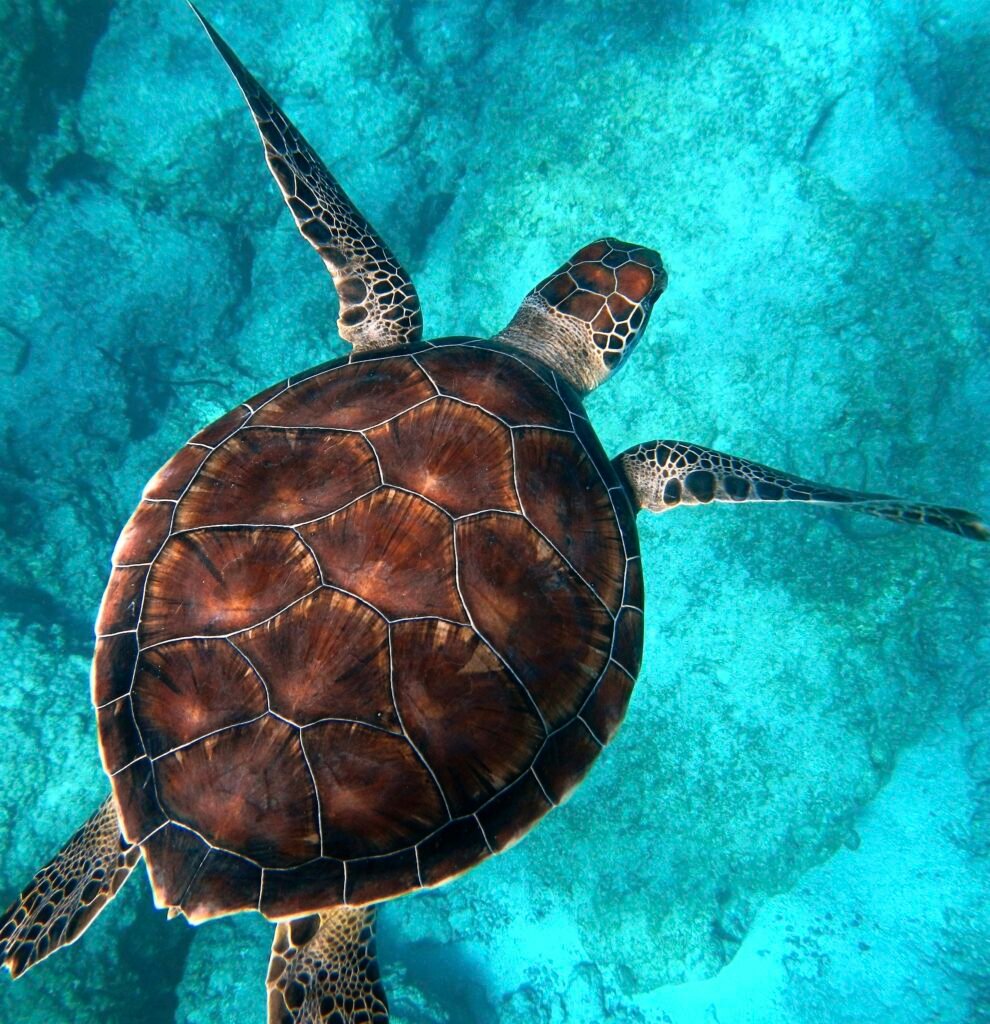
By removing debris before it reaches rivers, lakes, and oceans, restoration efforts help protect fish, birds, and other wildlife from entanglement, ingestion of plastics, and habitat degradation.
How LetsCo.io Supports Ocean and River Restoration
The LetsCo pledge is designed to create consistent, scalable environmental impact.
By allocating 10% of our revenue to environmental restoration partners, LetsCo helps:
- Fund ongoing river cleanup initiatives
- Support long-term ecosystem restoration
- Improve transparency and accountability
- Create measurable environmental outcomes
Reducing pollution supports healthier ecosystems and helps preserve biodiversity for future generations.
Microplastic Pollution by the Numbers
- Millions of tons of plastic enter the world’s oceans every year.
- Rivers are among the primary pathways carrying plastic waste from land to sea.
- Research indicates that roughly 1,000 rivers account for approximately 80% of river-borne plastic pollution entering oceans.
- Microplastics have been detected in water, wildlife, agricultural systems, and food supplies around the world.
By acting early through river cleanups, education, and pollution prevention, communities and organizations can significantly reduce long-term environmental damage while helping ensure cleaner, healthier waterways.

Shopping with a Heart
LetsCo.io is more than a marketplace—it’s a way to shop consciously.
By combining affiliates like Expedia ,and best-selling products with meaningful environmental impact, LetsCo allows customers to:
- Support river and ocean restoration efforts
- Help reduce plastic pollution in waterways
- Protect wildlife and ecosystems
- Make everyday purchases more meaningful
If you’re new to the concept, explore What Is Purpose-Driven Shopping? to learn how consumer choices can support positive environmental and social outcomes.
Shop With Impact
Discover best-selling products that support sustainability, cleaner waterways, and environmental restoration.
Every purchase helps create a cleaner future.
creatures to thrive for generations to come.
Related Environmental Articles:
- The Rise of Purpose-Driven Shopping: Why Where You Buy Matters More Than Ever
- How Sustainable Commerce Can Help Solve Microplastic Pollution Through Ocean and River Restoration
- How to Reduce Microplastic Pollution in Oceans and Rivers (Complete 2026 Guide)
- How River Restoration Programs Drive Real Change
Affiliate Spotlight Articles:
- Where Fashion Meets Individuality: Discover CicyBell’s Modern Women’s Collection
- 5 Best Amazon Kitchen Gadgets That Save Time In 2026
- Built for the Journey : Discover Vanpowers E-Bikes
- Paris Hotel Guide: Beautiful Hotels for Every Travel Style
- Discover more Outdoors , Fishing and Camping with Kingscamo